Our Peanut OIT Journey: What Food Allergy Parents Need to Know About Oral Immunotherapy
When our child was diagnosed with a peanut allergy, everything changed.
As a nurse practitioner, I understood the science.
As a mom, I felt the fear.
If you’re here because you’re researching peanut OIT, wondering if oral immunotherapy is safe, or trying to decide if it’s right for your child — I want to share our journey honestly.
Not as medical advice.
Not as a perfect story.
But as a parent walking this path, too.

What Is Oral Immunotherapy (OIT)?
Oral immunotherapy (OIT) is a treatment that gradually increases a child’s tolerance to a food allergen by giving carefully measured doses over time.
For peanut allergy, this means:
Starting with extremely small amounts of peanut protein
Increasing doses under medical supervision
Transitioning to daily maintenance dosing
The goal of peanut OIT is desensitization — reducing the risk of severe reactions from accidental exposure.
It is not a cure.
But for many families, it provides an added layer of protection.
The goal: reduce risk from accidental exposure.
Why We Considered Peanut OIT
Like many food allergy parents, we asked:
What is our child’s risk of accidental exposure?
How much anxiety is this diagnosis creating?
Are we prepared for daily dosing?
Do we trust our medical team?
Avoidance works, and for some families, it’s the right choice. It was our choice for quite some time.
But then, with more understanding and finding the right allergist, OIT felt like a proactive way to reduce risk and build confidence over time.
Not eliminate fear completely.
But soften it.

What Peanut OIT Actually Looks Like
Many parents Google:
“Is oral immunotherapy safe?”
“Peanut OIT side effects”
“What does OIT involve day to day?”
Here’s what it really includes:
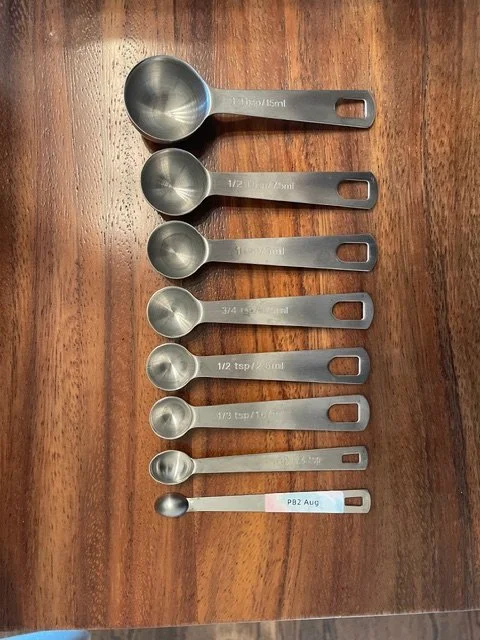
Daily measured peanut dosing at home
Monitoring for symptoms
Temporary activity restrictions before after dosing
Adjustments during illness
Regular follow-ups with your allergist
It’s a commitment.
There are smooth weeks.
There are nerve-wracking dose increases.
There may be mild reactions.
And yes, families must continue to carry epinephrine.
The Emotional Side of OIT No One Talks About
Food allergy parenting already requires vigilance.
OIT adds another layer of emotional complexity:
Giving your child the food you’ve taught them to avoid
Watching for symptoms after every dose
Managing your own anxiety
Over time, though, something shifts.
Your child gains confidence.
You begin to trust the process.
Fear becomes more manageable.
It has changed our lives, for the better.
Is Peanut OIT Right for Every Child?
No.
OIT is not:
A cure for food allergy
A guarantee against anaphylaxis
The best choice for every family
Some families choose strict avoidance.
Some pursue OIT.
Some start and later stop.
There is no “gold standard parent” decision.
There is only an informed one.

Questions to Ask Before Starting OIT
If you're considering oral immunotherapy, ask:
What is our goal… protection, anxiety reduction, flexibility, safer in school?
How will daily dosing impact our routine?
How does my child feel about this?
How often are the appointments?
Are there other appropriate treatment options?

What I Tell Parents Now
As both a nurse practitioner and a mom, here’s what I believe:
You should ask about treatment options, this may mean asking more than one person if you are not getting an answer you want.
You don’t have to justify your choice to anyone.
And it is ok if you choose avoidance. There are other treatment options besides OIT that may be a better fit for your child.
Whether you pursue peanut OIT or not, your child needs:
A prepared parent
A clear emergency plan
A calm, informed advocate
If you’re navigating peanut or tree nut allergy and feeling overwhelmed, I help parents move from fear-based decision-making to confident action.
You don’t have to figure this out alone.
- The Food Allergy Professor
New to food allergies? Take my Food Allergy Survival Course to learn more!