Allergy-Friendly Foods: What to Look for on Labels and Safer Options for Kids With Food Allergies
Choosing allergy-friendly foods can feel overwhelming, especially for parents of children with food allergies. From confusing ingredient labels to vague “may contain” statements, knowing which foods are safe isn’t always clear.
As a nurse practitioner and food allergy advocate, I help families understand how to identify safer food options, reduce risk, and build confidence when grocery shopping, packing school lunches, or traveling.
This guide breaks down what to look for in allergy-friendly foods, common labeling pitfalls, and safer food options many food allergy families rely on.
What Are Allergy-Friendly Foods?
Allergy-friendly foods are products that:
Clearly disclose allergens on the label
Follow U.S. food allergen labeling laws
Reduce the risk of cross-contact
Are appropriate for individuals with diagnosed food allergies
It’s important to note that “allergy-friendly” does not mean risk-free, but it does mean more transparent labeling and safer manufacturing practices.
How to Read Food Labels for Allergies
1. Always Read the Ingredient List
In the U.S., manufacturers are required to label the Top 9 food allergens:
Milk
Egg
Peanut
Tree nut
Wheat
Soy
Fish
Shellfish
Sesame
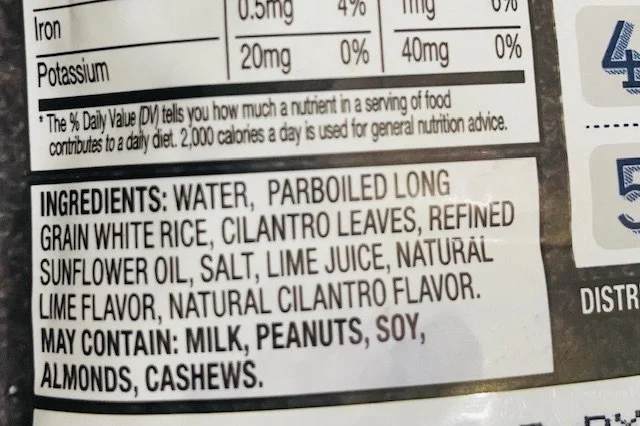
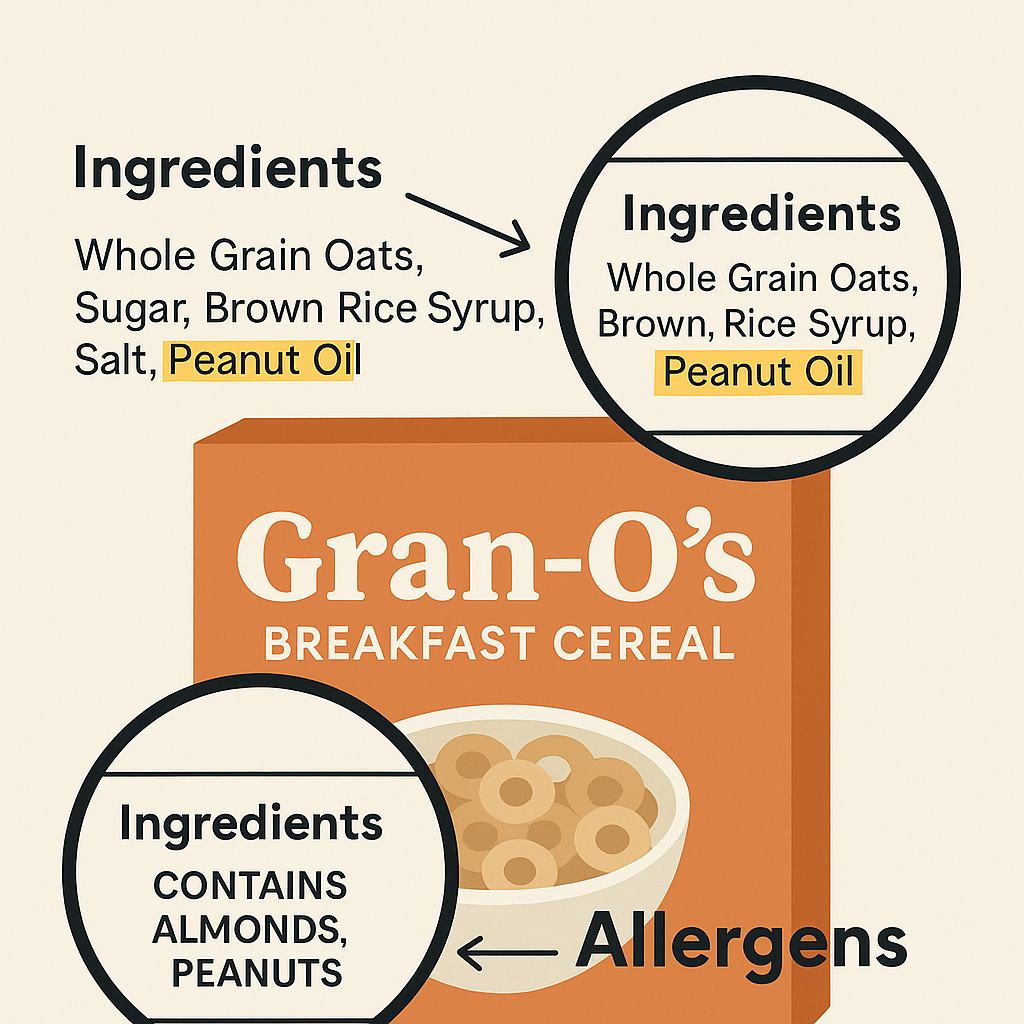
Look for a clear “Contains” statement, and read the full ingredient list every time, even for familiar products. Ingredients can change, even if you’ve eaten it many times before.
2. Understand “May Contain” and Cross-Contact Warnings
Advisory allergen statements such as:
“May contain peanuts”
“Processed in a facility that also processes tree nuts”
are voluntary and not regulated. These warnings indicate potential cross-contact risk.
Families should:
Discuss risk tolerance with their allergist
Avoid advisory labels for known allergens when possible
3. Be Careful With “Free-From” Claims
Marketing terms like:
Nut-free
Dairy-free
School-safe
are not regulated.
✔ Look for products made in dedicated allergen-free facilities
✖ Don’t rely on front-of-package claims alone
Always read ingredient list!
High-Risk Foods for Kids With Food Allergies
Some foods carry a higher risk of cross-contact, including:
Bakery items
Bulk bin foods
Deli and hot bar foods
Seasonal candy
Imported foods with different labeling laws
When possible, choose simple, minimally processed foods with transparent labeling.
Safer Allergy-Friendly Food Options Families Trust
While no brand can guarantee zero risk, many food allergy families rely on companies with clear allergen practices.
Allergy-Friendly Snack Brands
Enjoy Life Foods
MadeGood
FreeYumm
Natures Made
Check out my store for other safe food options.
Always verify labels, as ingredients and manufacturing practices can change.
Whole Foods That Are Naturally Lower Risk
Fresh fruits and vegetables (avoid precut items as these may have used shared preparation surfaces that can lead to cross-contact)
Plain meats and poultry
Rice, quinoa, and oats labeled (avoid bulk items that were repackaged)
Homemade meals using verified ingredients
Final Thoughts From The Food Allergy Professor
Managing food allergies is about education, preparation, and empowerment, not perfection.
I’ve had moments where I’ve purchased a pre-cooked bag of rice or sauce, only to get home and realize I missed the “may contains peanut” statement. That’s why it’s always important to double check.
When you understand how to evaluate allergy-friendly foods, you reduce risk and build confidence for your child and your family.
If you’re newly diagnosed or feeling overwhelmed, know that support and education make a meaningful difference.